
What to Look for Before Purchasing a CNC Router for Wood
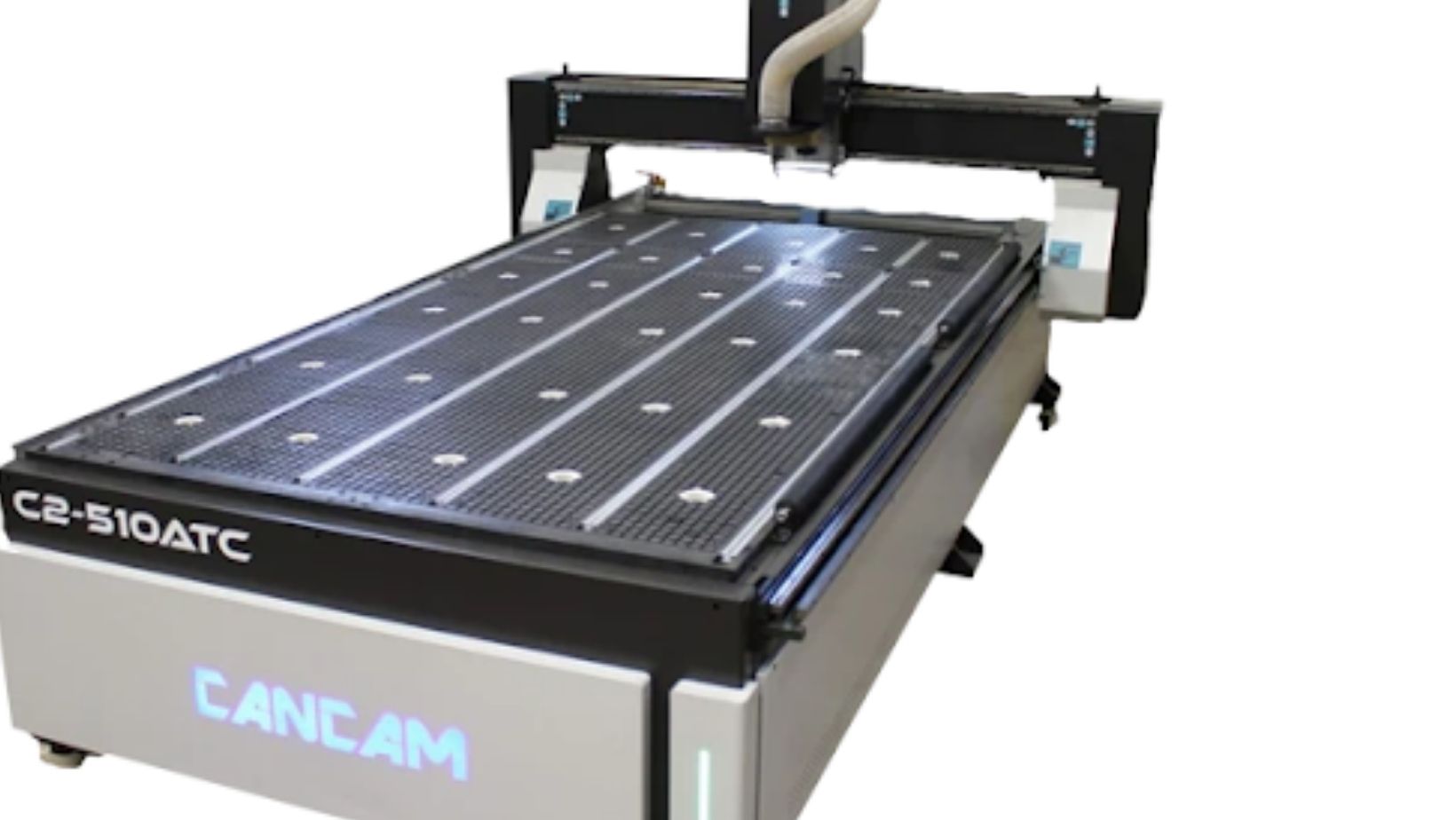
Investing in a CNC router is a turning point for any wood-focused shop. It shifts production from manual craftsmanship to repeatable precision, but not all machines are built with the same priorities. The wrong purchase can bottleneck output, limit material options, or create ongoing maintenance headaches. Before committing, it’s worth evaluating how a machine aligns with the type of work you actually plan to produce, not just what looks impressive on a spec sheet.
As demand grows for precision and scalability, many buyers start comparing different CNC routers for wood cutting without fully understanding how machine design impacts real-world performance. The differences often show up in areas like cut quality, throughput, and long-term reliability, rather than headline specs.
Build Quality and Frame Stability
The frame is the foundation of everything the machine does. A lightweight or poorly constructed chassis may seem fine for small decorative pieces, but it will introduce vibration under load. That vibration translates directly into rough edges, inconsistent depths, and faster tool wear.
Look for welded steel frames or heavy-duty aluminum constructions designed to minimize flex. Gantry design also matters. A reinforced gantry with linear guides will maintain accuracy over time, especially when running larger sheets or denser hardwoods like maple or oak.
Spindle Power and Speed Control
Spindle performance determines what materials you can realistically work with and how efficiently you can process them. Lower-powered spindles may struggle with hardwoods, forcing slower feed rates and increasing production time. Key considerations include:
- Power rating appropriate for your material range
- Variable speed control for different cutting applications
- Cooling method, whether air-cooled for simplicity or water-cooled for extended runs
A well-matched spindle reduces burn marks, improves edge finish, and allows for more aggressive cutting without compromising quality.
Work Area and Bed Design
Machine size should reflect the scale of your projects, not just your available floor space. Undersized beds limit your ability to process full sheets, while oversized machines can be inefficient for smaller, detailed work.
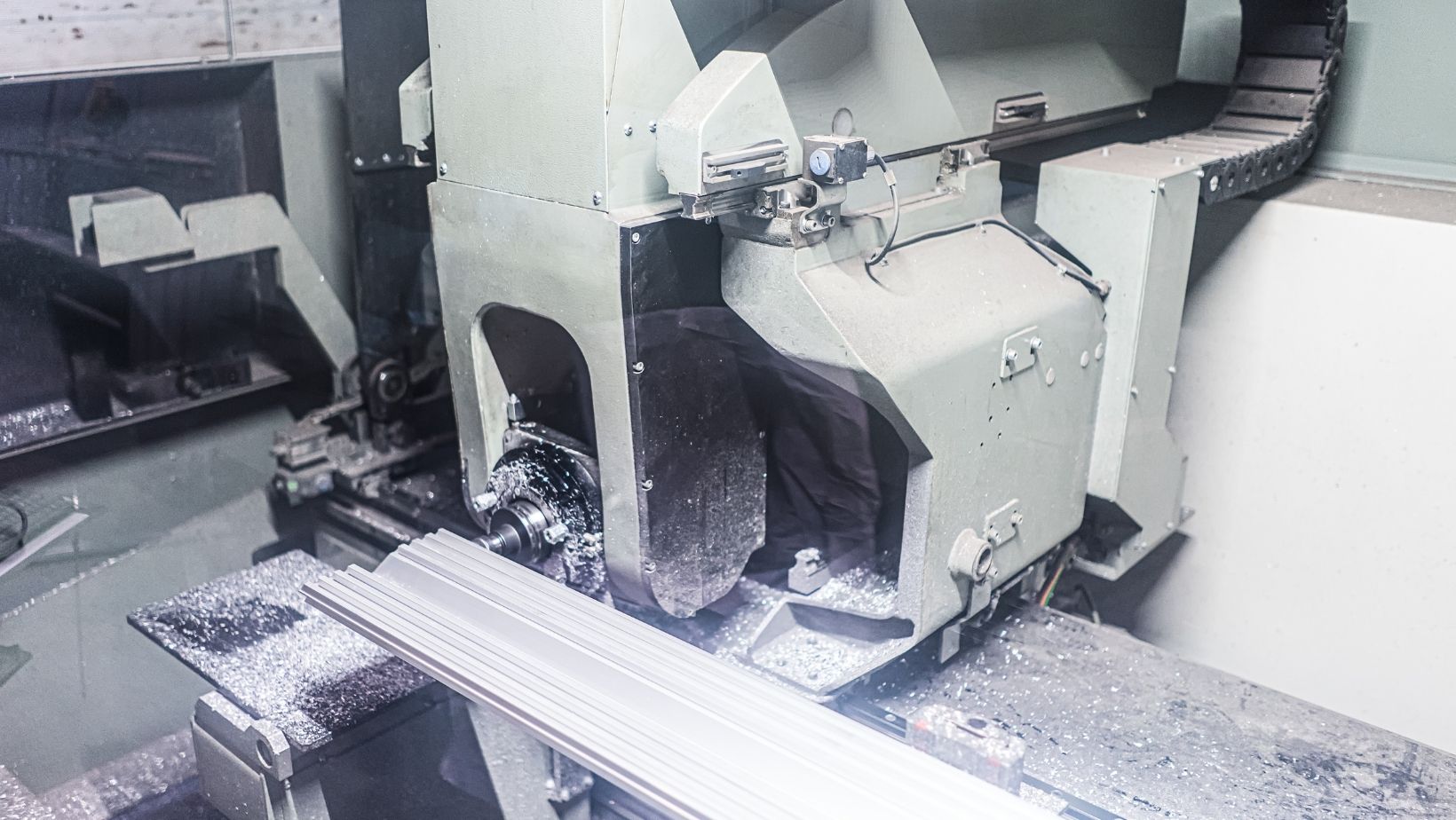
Vacuum tables are worth serious consideration if you’re producing at volume. They hold material securely without clamps, which reduces setup time and allows for cleaner toolpaths. For smaller shops, hybrid beds that support both vacuum and mechanical fastening offer flexibility without overcommitting.
Control System and Software Compatibility
The control system is where hardware meets usability. A powerful machine with a clunky or restrictive interface slows down workflows and increases the learning curve for operators. Key factors include:
- Compatibility with industry-standard CAD/CAM software
- Intuitive control interfaces for faster onboarding
- Reliable firmware with consistent updates and support
Smooth integration between design and execution is what turns a CNC router into a production tool rather than a technical obstacle.
Precision Components and Motion Systems
Accuracy depends on the quality of internal components. Ball screws, linear rails, and stepper or servo motors all contribute to how precisely the machine moves.
Servo motors are generally preferred for higher-end applications because they offer better speed control and positional accuracy. Linear rails outperform cheaper wheel-based systems by maintaining tighter tolerances over long production runs.
Even small inconsistencies in motion can compound over time, especially in detailed engraving or joinery work.
Dust Collection and Shop Integration
Woodworking produces significant dust, and CNC routing accelerates that output. Without proper dust collection, debris can affect cut quality, damage components, and create health and safety concerns.
A well-designed machine will support:
- Integrated dust shoe systems
- Compatibility with high-efficiency dust collectors
- Easy access for cleaning and maintenance
Effective dust management protects both the machine and the operator while maintaining consistent results.
Final Considerations Before You Buy
The most important question is not what the machine can do, but what you need it to do consistently. A CNC router should match your workflow, material demands, and growth plans without forcing constant adjustments or workarounds.
Author