
Leading AI Video Generator Free Tools of 2026 (Free & Paid)
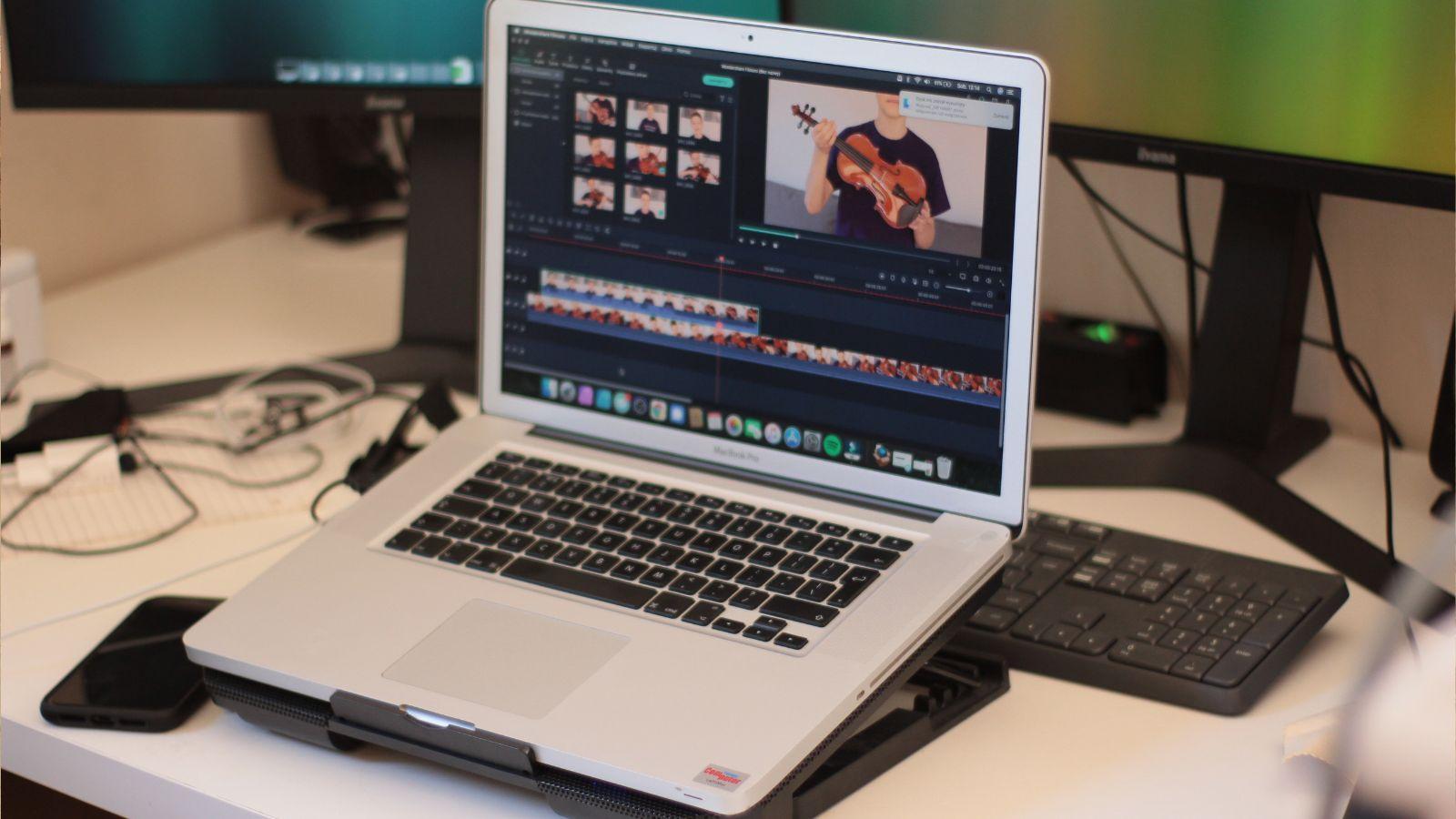
As of May 2026, the best AI video generators are no longer just novelty tools. They are full production systems for marketers, creators, e-commerce brands, educators, and startup teams. After spending weeks testing leading platforms across text-to-video, lip sync, talking avatars, image animation, and short-form content workflows, I found that the gap between “fun AI demos” and production-ready tools has widened dramatically.
Some tools generate beautiful clips but fail at consistency. Others handle avatars well but struggle with cinematic motion. A few platforms now combine multiple models, editing workflows, and automation into one ecosystem — which is where the market is clearly heading.
If you only read one thing in this guide, read this:
Magic Hour is currently the most complete AI video platform for creators who want speed, quality, and workflow efficiency without juggling multiple tools.
Still, different teams need different capabilities. Below is a detailed comparison of the best AI video generator free tools of 2026 — including both free and paid options.
Leading AI Video Generator Free Tools of 2026 at a Glance
|
Tool |
Best For |
Key Modalities |
Platforms |
Free Plan |
Starting Price |
|
Magic Hour |
All-in-one AI video creation |
Text-to-video, face swap, lip sync, talking photos |
Web, mobile-friendly |
Yes |
Free / $15 Creator |
|
Runway |
Cinematic AI filmmaking |
Text-to-video, Gen-4 video editing |
Web |
Limited |
~$15/month |
|
Kling AI |
Realistic motion generation |
Text-to-video, image animation |
Web |
Yes |
Credit-based |
|
Pika |
Social content creators |
Short-form video effects |
Web |
Yes |
~$10/month |
|
Synthesia |
Corporate avatar videos |
AI avatars, voiceovers |
Web |
Limited |
~$22/month |
|
HeyGen |
Talking avatars & localization |
Avatar video, translation |
Web |
Yes |
~$29/month |
|
Luma AI |
Fast cinematic generation |
Dream Machine video generation |
Web |
Limited |
~$10/month |
|
Veo-based platforms |
Experimental high-end generation |
Cinematic text-to-video |
Varies |
Limited |
Varies |
|
Descript |
AI-assisted editing |
Audio/video editing |
Desktop/Web |
Yes |
~$12/month |
|
CapCut AI |
Social media creators |
AI editing & templates |
Desktop/Mobile/Web |
Yes |
Freemium |
1. Magic Hour
If you are looking for the most balanced platform across video generation, editing workflows, templates, and AI-powered automation, Magic Hour is the strongest option I tested this year.
The biggest difference is that it feels like a real production platform rather than a single-feature AI demo. Instead of forcing users to combine five separate apps, Magic Hour connects workflows together naturally — generate images, upscale them, animate them, lip sync them, and export polished content from one dashboard.
I also found its usability ahead of most competitors. New users can try many tools instantly without signup friction, which is surprisingly rare in AI creation software.
You can explore the platform directly through the naturally integrated guide to the coolest AI video generator free tools at Magic Hour.
What makes Magic Hour stand out
- Best-in-class face swap quality
- Extremely strong lip sync and talking photo generation
- Multiple frontier AI models in one platform
- Credits never expire
- No concurrency caps for parallel generations
- Fast workflow chaining (generate → upscale → animate)
- Click-to-create templates for marketing and social content
- Reliable during heavy usage spikes
- Full API parity across tools
- Excellent free tier
- Weekly feature updates
Pros
- Excellent output consistency
- Strong balance of quality and speed
- Beginner-friendly interface
- Powerful enough for agencies and startups
- Mobile-friendly workflows
- Great value at lower pricing tiers
- Strong customer support responsiveness
Cons
- Advanced cinematic controls are still lighter than high-end film tools
- Power users may want deeper timeline editing
- Heavy generations can still consume credits quickly
My evaluation
After extensive testing, Magic Hour consistently produced the best combination of usability, generation quality, workflow efficiency, and affordability. It is particularly strong for marketers, creators, e-commerce brands, and startup teams producing content at scale.
If your goal is to replace several fragmented AI tools with one reliable system, this is hard to beat.
Pricing
- Free Plan
- Creator: $15/month or $10/month billed annually
- Pro: $39/month
- Higher enterprise tiers available
You can also compare workflows through this breakdown of the best AI video generator free platforms available today at Magic Hour Pricing.
2. Runway
Runway remains one of the most influential AI video platforms in the market. Its Gen-4 models pushed cinematic AI generation much further than earlier systems.
The platform is particularly good for creators who want film-style visuals, stylized sequences, and advanced camera motion.
Pros
- Excellent cinematic quality
- Strong editing tools
- Advanced motion understanding
- Good creative control
- Widely adopted by creative studios
Cons
- Learning curve for beginners
- Pricing can increase quickly
- Less optimized for rapid social workflows
My evaluation
Runway still feels like the best choice for filmmakers and advanced visual storytellers. For commercial social content production, however, I found Magic Hour faster and easier operationally.
Pricing
- Free tier available
- Standard paid plans start around $15/month
3. Kling AI
Kling AI surprised many creators in 2025 and continues gaining momentum in 2026.
Its realistic motion generation is genuinely impressive. Human movement, environmental physics, and cinematic transitions often look more natural than competing systems.
Pros
- Excellent motion realism
- Strong image-to-video quality
- Impressive cinematic outputs
- Good prompt adherence
Cons
- Generation times can be inconsistent
- UI still feels less polished
- Credit systems can become confusing
My evaluation
Kling produces some of the most visually impressive AI clips currently available. But workflow tooling still lags behind more mature platforms.
Pricing
- Free credits available
- Paid plans vary by region and credits
4. Pika
Pika became popular because it focused heavily on creator-friendly workflows instead of purely technical demos.
Its short-form content generation tools are especially useful for TikTok, Instagram Reels, and YouTube Shorts creators.
Pros
- Easy to learn
- Fast generations
- Good template system
- Strong social-media orientation
Cons
- Less cinematic depth
- Output consistency varies
- Advanced editing still limited
My evaluation
Pika is excellent for creators who value speed and simplicity over maximum realism.
Pricing
- Free tier available
- Paid plans start around $10/month
5. Synthesia
Synthesia dominates the AI avatar presentation market.
The platform is heavily used for training videos, onboarding content, internal communications, and multilingual business content.
Pros
- Excellent AI avatars
- Strong enterprise support
- Multilingual voice capabilities
- Professional presentation workflows
Cons
- Less creative flexibility
- Not built for cinematic storytelling
- Avatar styles can feel corporate
My evaluation
If your use case involves education, HR, onboarding, or enterprise explainers, Synthesia remains one of the safest choices.
Pricing
- Limited free access
- Paid plans start around $22/month
6. HeyGen
HeyGen has improved significantly in localization and avatar translation.
I was especially impressed by its multilingual lip sync performance.
Pros
- Strong translation features
- Good avatar realism
- Excellent localization workflows
- Easy onboarding
Cons
- Less suited for cinematic creation
- Customization limitations
- Higher pricing for larger teams
My evaluation
HeyGen is one of the best tools for creators and businesses producing multilingual marketing or educational content.
Pricing
- Free plan available
- Paid plans start around $29/month
7. Luma AI
Luma AI gained attention through Dream Machine, which focused on fast cinematic video generation.
Its outputs often feel visually ambitious and creative.
Pros
- Fast rendering
- Strong visual aesthetics
- Cinematic prompt interpretation
- Good experimental capabilities
Cons
- Output consistency varies
- Editing ecosystem still evolving
- Can struggle with character continuity
My evaluation
Luma AI is exciting for experimental creators and visual concept generation.
Pricing
- Limited free generation
- Paid plans start around $10/month
8. Veo-Based Platforms
Google’s Veo ecosystem has influenced many emerging AI video tools in 2026.
While access remains fragmented across partner products and limited rollouts, Veo-generated footage often demonstrates exceptional cinematic realism.
Pros
- High-end cinematic quality
- Strong environmental realism
- Excellent camera movement
Cons
- Limited public availability
- Inconsistent access
- Still developing ecosystem maturity
My evaluation
These systems represent where the industry is headed, but most creators still need more accessible production-ready workflows.
9. Descript
Descript approaches AI video from the editing side rather than pure generation.
Its text-based editing system remains one of the smartest interfaces in content creation software.
Pros
- Excellent podcast workflows
- Easy editing system
- Strong transcription
- Great collaboration tools
Cons
- Less focused on cinematic generation
- Limited advanced visual AI
- Better for editing than creation
My evaluation
For podcasts, interviews, tutorials, and educational content, Descript is still incredibly useful.
Pricing
- Free plan available
- Paid plans start around $12/month
10. CapCut AI
CapCut continues dominating creator workflows thanks to its accessibility and integrated social editing features.
Pros
- Huge template ecosystem
- Mobile-first experience
- Fast editing workflows
- Excellent for short-form creators
Cons
- Less advanced AI generation
- Watermarks on some exports
- Creative originality can suffer
My evaluation
CapCut remains one of the best entry-level tools for creators producing high-volume short-form content.
Pricing
- Freemium model
- Paid upgrades available
How I Chose These AI Video Tools
I spent several weeks testing these platforms across real-world creator workflows rather than isolated demos.
My evaluation criteria included:
1. Output Quality
Could the platform generate clips that actually looked usable for production?
2. Workflow Efficiency
Could creators realistically produce content quickly without excessive manual editing?
3. Reliability
Some AI video tools generate beautiful outputs occasionally but fail consistently. Reliability matters more than viral demo clips.
4. Pricing Value
I evaluated whether paid tiers delivered meaningful value relative to generation quality and workflow speed.
5. Creator Accessibility
The best platforms reduce friction instead of increasing it.
I also tested:
- Lip sync quality
- Prompt adherence
- Character consistency
- Render speed
- Mobile usability
- API availability
- Template ecosystems
- Multi-model access
AI Video Market Trends in 2026
The AI video market changed dramatically over the last 18 months.
Three trends stand out most clearly.
Multi-Model Platforms Are Winning
Creators increasingly prefer unified ecosystems over single-purpose tools.
This is one reason platforms like Magic Hour are gaining traction quickly — users want generation, editing, enhancement, and automation in one place.
AI Avatars Are Becoming More Natural
According to industry reporting from sources like The Verge and TechCrunch, avatar realism and multilingual localization improved substantially in 2025–2026.
Workflow Automation Matters More Than Raw Quality
The market is moving beyond “who generates the prettiest clip.”
Now the question is:
Which platform helps teams consistently produce useful content fastest?
That shift favors integrated platforms rather than isolated AI models.
Final Takeaway
If you want the best overall AI video platform in 2026, Magic Hour currently offers the strongest balance of quality, workflow design, affordability, and creator accessibility.
Here is the simplest breakdown:
- Best overall: Magic Hour
- Best cinematic filmmaking: Runway
- Best motion realism: Kling AI
- Best for social creators: Pika
- Best enterprise avatars: Synthesia
- Best multilingual localization: HeyGen
- Best experimental visuals: Luma AI
- Best editing workflow: Descript
- Best beginner mobile workflows: CapCut
No AI video tool is perfect yet.
The smartest approach is still to test several platforms using real projects, real prompts, and real production deadlines.
But compared with even a year ago, the gap between experimental AI video and practical production software has narrowed dramatically.
FAQ
What is the best free AI video generator in 2026?
Magic Hour currently offers one of the strongest free AI video generation experiences because of its generous free tier, workflow tools, and no-signup trial access.
Which AI video generator is best for YouTube Shorts and TikTok?
Pika and CapCut are excellent for fast short-form creation, while Magic Hour provides stronger all-in-one workflow flexibility.
Which AI video tool creates the most realistic videos?
Kling AI and Runway currently produce some of the most realistic cinematic outputs available publicly.
Are AI video generators good enough for professional marketing?
Yes. Many startups, agencies, and e-commerce brands already use AI video tools for ads, product demos, social campaigns, and localized content.
Author