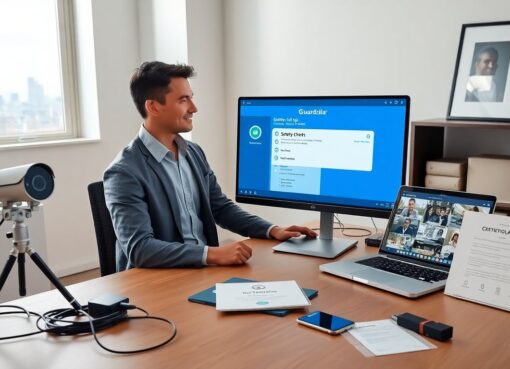
How To Run Guardzilla APK On PC: A Practical Guide For TomTechBlog Readers (2026)

on tomtechblog guardzilla apk app pc guides readers on running Guardzilla on a computer. The guide explains options, risks, and basic steps. It shows clear choices for Windows and Mac. It sets expectations about security and app behavior.
Key Takeaways
- The Guardzilla APK app allows PC users to monitor home security cameras with a larger live view, accessible via Android emulators or APK sideloading on Windows and Mac.
- Using the Guardzilla APK on a PC requires careful sourcing from official or trusted sites to avoid modified or risky versions and involves verifying file checksums and scanning for viruses.
- Running Guardzilla on an Android emulator is simpler and integrates well with the OS, while APK sideloading offers more control but demands technical skills like ADB commands.
- Security measures such as backing up camera credentials and enabling two-factor authentication are essential when using the Guardzilla APK on a PC to safeguard accounts and data.
- Troubleshooting includes updating emulators, enabling virtualization, and checking credentials; users should test one camera first and monitor app updates for compatibility.
- TomTechBlog advises using the Guardzilla APK on PCs as a self-help option without expecting official customer support, recommending native apps on trusted platforms when possible.
What The Guardzilla APK Is, What TomTechBlog Provides, And Whether You Should Use It
Guardzilla is a home security app that links with Guardzilla cameras and sensors. TomTechBlog explains how to get the Guardzilla APK and how to run it on a PC. The post lists official sources, third‑party mirrors, and legal notes. It warns readers that Guardzilla updates may affect APK behavior.
They should know that Guardzilla offers live view, motion alerts, and two‑way audio. The app requires Android to run. TomTechBlog provides step‑by‑step instructions for running the Android app on a computer. The blog also shows emulator and sideload choices.
The guide states when readers should use the APK on a PC. They should use it if they need a larger live view, a dedicated monitoring station, or to test features that the native web portal lacks. They should avoid APKs from unknown sites. The post recommends checking file checksums when available.
TomTechBlog lists the risks. APKs can carry modified code. They can request extra permissions. They can stop working after an update. Readers should back up camera credentials and enable two‑factor authentication where possible. The blog links to Guardzilla support and to official app store pages for verification.
The article clarifies support expectations. Guardzilla customer service may not support APK installs on PC. TomTechBlog suggests users treat APK use as a self‑help option. The blog offers troubleshooting tips, but it advises readers to prefer official apps on trusted platforms when possible. The post repeats that careful sourcing reduces risk.
Step‑By‑Step: Installing Guardzilla APK On Windows Or Mac (Emulator And Alternative Methods)
This section shows two main approaches. The first uses an Android emulator. The second uses APK sideloading into a compatible runtime. The steps use clear examples for Windows and Mac.
Emulator setup steps:
- They download a trusted emulator such as BlueStacks, LDPlayer, or Nox Player. They pick the version for Windows or Mac. They verify the download checksums when possible.
- They install the emulator and accept the setup prompts. The emulator opens an Android environment.
- They download the Guardzilla APK from a trusted source. They place the APK in a known folder.
- They double‑click the APK inside the emulator or use the emulator’s install menu. The emulator installs Guardzilla like a phone.
- They launch Guardzilla, sign in, and test camera streams and alerts.
Sideloading steps (alternative):
- They install a lightweight Android runtime such as Android Studio’s emulator or Genymotion for advanced users. They set a virtual device with Google Play services if required.
- They enable ADB on the virtual device. They connect ADB from the host using simple commands.
- They run adb install path/to/Guardzilla.apk. The tool installs the app to the virtual device.
- They run the app, adjust permissions, and confirm network access for camera feeds.
This part covers Mac specifics. On Mac, BlueStacks and Nox have Mac builds. They must grant system permissions for screen recording and network access. The post notes that macOS Gatekeeper may block unsigned apps. They must allow the emulator in System Settings > Security & Privacy.
This part covers Windows specifics. On Windows, they should run the emulator as administrator if installation stalls. They should enable virtualization in BIOS for better performance. They should install the emulator’s recommended drivers when prompted.
The guide lists security checks. They should scan the APK with a virus scanner. They should compare checksums when the source provides them. They should avoid granting unnecessary permissions inside the app. They should revoke location or storage access if the app does not need them for core camera functions.
The section also repeats the target keyword for clarity and SEO: on tomtechblog guardzilla apk app pc. The guide notes that using the Guardzilla APK on a PC can work for live monitoring, and it can fail when the app updates or the emulator lacks a supported Android API level.
Method Details: Android Emulator vs. APK Sideloading — Pros, Cons, And Quick Troubleshooting Tips
Emulator pros: an emulator gives a simple, graphical setup. It often includes built‑in APK install tools. It gives better integration with the host OS for input and display. Emulator cons: it may be resource heavy. It may change camera latency and cause frame drops.
Sideloading pros: sideloading into a virtual device gives finer control over Android versions and APIs. It often runs lighter if the virtual device uses a minimal image. Sideloading cons: it needs command line work. It may require ADB knowledge and extra setup time.
Quick troubleshooting tips:
- If the app shows a blank screen, they should update the emulator or use a different Android API level. They should try an emulator with Google Play services if Guardzilla needs that component.
- If video lags, they should enable virtualization and allocate more CPU or RAM to the emulator. They should close background apps on the host.
- If login fails, they should confirm credentials on a mobile device first. They should reset the password on the official site when needed.
- If notifications do not arrive, they should enable notification access inside the emulator and check host firewall rules.
They should test with a single camera before adding multiple streams. They should track app updates and recheck APK sources when Guardzilla releases new versions. They should avoid running unknown helper apps within the emulator. The site repeats the keyword once more for clarity: on tomtechblog guardzilla apk app pc.
The final quick note says that readers can use either method. They should pick the method that fits their skill level and hardware. They should keep backups and follow basic security checks.
Author