
How Barcode and Scale Integration Technology Is Changing Grocery Checkout
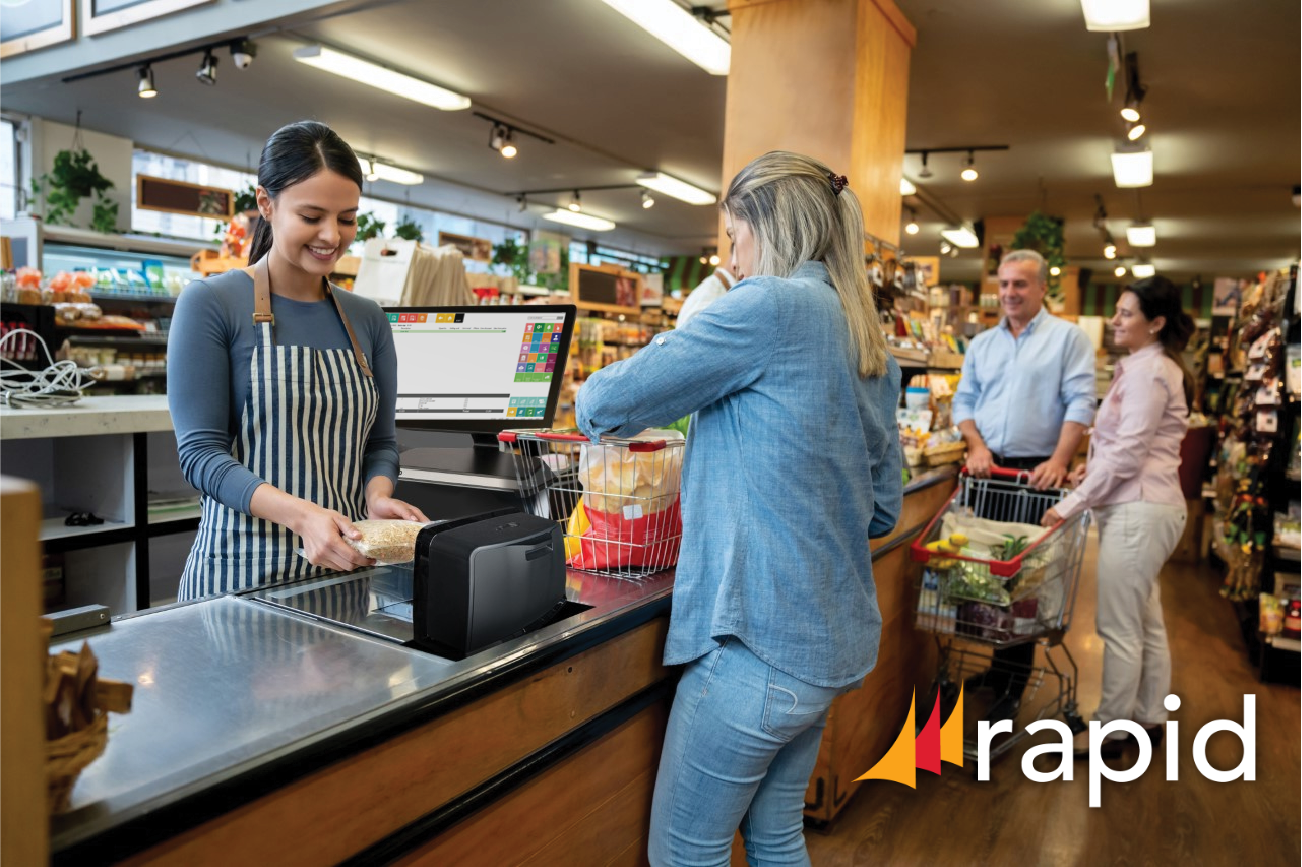
Most checkout delays don’t come from customers, they come from the system behind the counter. When pricing depends on weight, small inefficiencies turn into long queues. The latest grocery POS system setups are built to handle that pressure, cutting out manual steps and keeping both staff and customers moving.
Grocery checkout looks simple until you’re the one stuck in line watching it fall apart. Loose produce needs weighing, deli items need pricing, and the cashier has to juggle both while the queue builds. This is where retail automation technology comes to the rescue. It ties those steps together so checkout runs the way it should. At the end of the day, grocery checkout isn’t like normal retail. There’s more going on, and the system behind the counter decides whether things move or drag.
Why Grocery Checkout Is More Complex Than Standard Retail
A normal retail POS system expects fixed prices. Scan, total, done. Grocery stores don’t work like that.
You’re dealing with thousands of items, and many of them are sold by weight. Fruit, vegetables, meat, deli. Every one of those needs weighing and pricing before the sale can finish.
That’s where systems built for this environment come in. Rapid Grocery POS is designed around that reality. It handles barcode scanning and weight-based pricing together, so staff don’t have to jump between steps and systems.
Without that kind of setup, checkout slows down and mistakes creep in, especially when things get busy. A cashier might enter the wrong weight or select the wrong product code, and that creates friction with customers standing right there watching.
What Scale Integration Technology Actually Does at Checkout
Weighing scale integration means the weighing system is part of the checkout itself, not a separate step that sits off to the side.
With specific hardware designed for this, like POS with integrated scales, the weight is captured the moment the item is placed down. The system calculates the price automatically and moves on.
There’s no manual entry, no switching screens, no second device. Everything happens in one place.
That removes friction from the process. Staff don’t have to think about the mechanics,
smart checkout systems just move through the items. It also reduces training time, because new staff don’t need to learn workarounds just to process basic grocery items.
Speed and Flow at Busy Checkouts
Peak hours show every weakness in a system. Small delays stack up fast.
Manual weighing breaks the rhythm. Scan, stop, weigh, return, fix, continue. It adds seconds to every transaction, and those seconds add up quickly when there’s a queue forming.
When the system handles weight and pricing in one step, that bottleneck disappears. Checkout becomes a steady flow instead of a series of interruptions.
You get shorter lines, less frustration, and staff who can keep up without rushing. That makes a visible difference on a busy afternoon when customers are already impatient and looking for reasons to complain.
It also takes pressure off staff behind the counter. They’re not rushing to catch up or second-guessing entries while people wait. Fewer interruptions mean fewer mistakes, and that keeps things calm even when the store is full and the pace picks up.
Grocery Store Checkout Technology Brings Traceability at the POS
Manual input creates risk. A wrong number means the wrong price, and that leads to problems at the till.
An integrated supermarket POS software system removes that. The weight is read directly, and pricing is applied automatically. It’s consistent every time, which protects both the store and the customer.
There’s also the need to track products properly, especially fresh and perishable goods. Stores are expected to keep clear records that tie back to what was sold.
That aligns with requirements around food traceability. Accurate data at checkout feeds into that process and keeps everything aligned, which becomes important when audits or supply issues come up.
The FDA enforces traceability to protect public health and speed up responses when food safety issues arise. Under FSMA rules, certain foods must be tracked through key data points across the supply chain. When contamination is flagged, that record trail helps identify the source fast and limits how far the problem spreads.
Better Data for Planning and Stock Control
What happens at checkout feeds directly into how a store plans ahead.
When weighted items are tracked properly, stock data becomes more reliable. Sales figures reflect what actually moved, not what someone entered by hand or guessed under pressure.
That feeds into tools used for planning and forecasting. You see it in systems that tie sales data into predictive tools, like how AI-powered sales forecast software is redefining predictive analytics for precision revenue and planning.
Better input at the till leads to better decisions behind the scenes, especially when ordering stock or planning promotions.
Systems That Fit Grocery Stores Properly
A grocery store isn’t going to simplify its inventory to suit software. The system has to handle the reality on the ground.
Generic barcode scanning POS systems try to cover everything, but grocery stores come with specific demands that those systems struggle to handle properly. Specialised grocery store technology solutions are built for weight-based pricing, large product ranges, and high-pressure checkout environments. They remove the need for workarounds and extra steps.
When scanning, weighing, and pricing all happen together, the process feels smoother. Staff work faster, customers spend less time waiting, and the checkout does what it’s supposed to do.
Author