
Build The Perfect Custom HDMI Cable: TomTechBlog’s Practical Guide (2026)
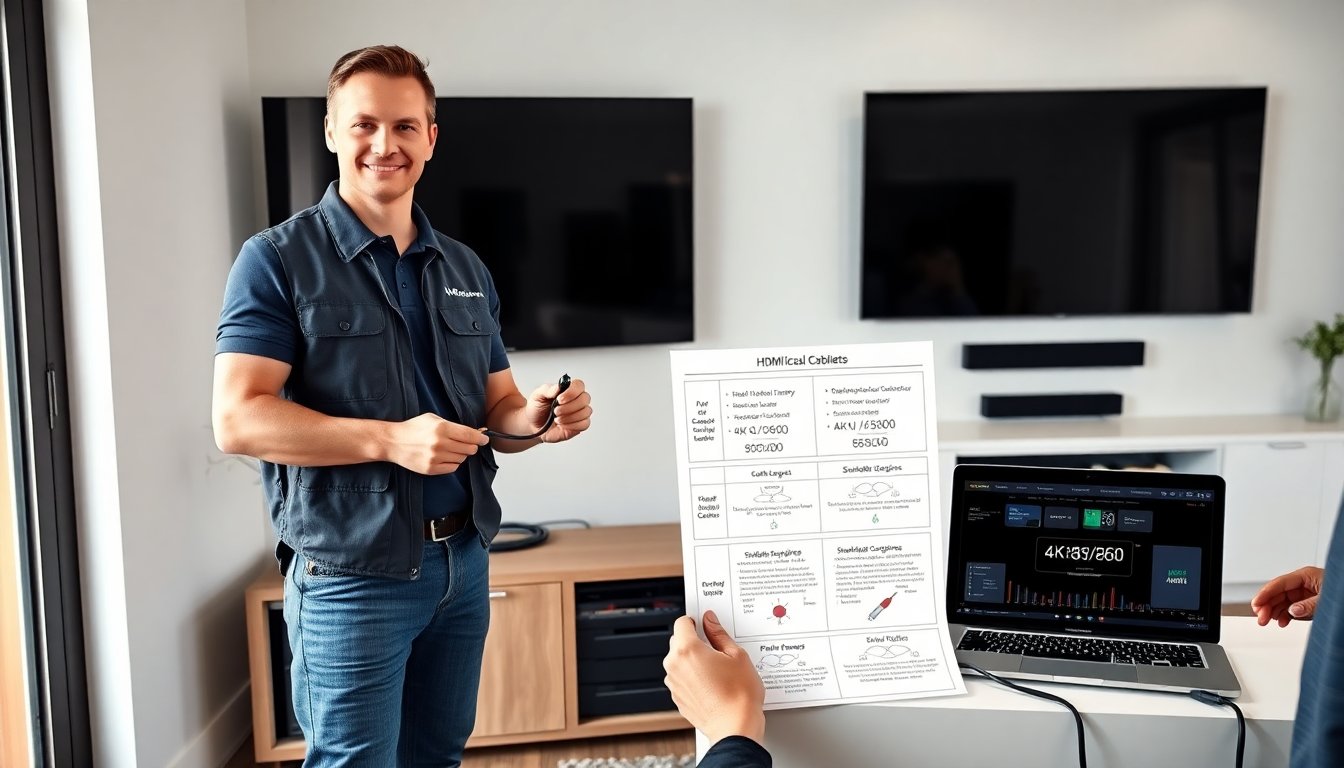
TomTechBlog’s custom hdmi cables tomtechblog guide explains when to choose a custom HDMI cable and how to get one. The guide states clear benefits and limits. The guide lists key specs, ordering steps, and testing tips. The reader will learn which devices gain most and how to avoid common mistakes.
Key Takeaways
- TomTechBlog’s custom HDMI cables guide helps users choose custom cables when standard ones don’t fit space or signal needs, benefiting gamers, AV installers, and home theater owners.
- Before ordering, specify key specs like resolution, bandwidth, latency, and features such as HDR and eARC to ensure custom HDMI cables meet performance demands.
- Select the right HDMI version, cable length with slight slack, and appropriate shielding to match devices and environment, avoiding unnecessary costs and interference.
- Choose connector types and termination options carefully, including gender adapters and gold-plated contacts, for reliable fits and durable connections.
- Follow a step-by-step process to order custom HDMI cables: gather specs, measure cable runs, approve prototypes, and document everything to prevent errors.
- Test signal integrity thoroughly after assembly, secure cables properly during installation, and troubleshoot common issues like dropouts by checking connectors, firmware, and using boosters if needed.
When To Choose A Custom HDMI Cable And Who Benefits
A user chooses a custom hdmi cables tomtechblog guide when off-the-shelf cables fail to fit space or meet signal needs. A user buys custom cables for long runs, odd connector layouts, or tight spaces. A gamer, an AV installer, and a home theater owner all benefit. A professional AV team often needs specific lengths and shielding to reduce interference. A homeowner with a wall-mounted TV may need custom-length cable to hide wiring. A small studio may need special terminations for patch panels. A buyer should prefer custom cables when signal quality, fit, and longevity matter more than price.
Key Specs To Specify: Resolution, Bandwidth, And Latency
A buyer defines resolution, bandwidth, and latency before ordering. A cable must support the target resolution and refresh rate. A 4K60 or 8K60 setup demands higher bandwidth and better cable construction. A shopper checks bandwidth rating and active vs passive design. A buyer also checks latency for long runs or converters. A product spec should list supported features like HDR, VRR, and eARC. A clear spec sheet reduces returns and errors. A customer follows the custom hdmi cables tomtechblog guide when writing specs to the vendor.
Choosing The Right HDMI Version, Length, And Shielding
A user picks an HDMI version that matches devices. A newer version lets the user run higher refresh rates and color depth. A buyer avoids overpaying for features the devices do not use. A customer measures exact cable length and adds a small slack allowance. A vendor can trim to the listed length during build. A buyer picks shielding based on environment. A shielded cable blocks interference in areas with Wi‑Fi or power lines nearby. A user chooses foil plus braid for strong protection on long runs.
Connector Types, Gender Adapters, And Termination Options
A buyer chooses connector types that match devices. A device may need standard Type A, mini Type C, or micro Type D. A rack setup may use HDBaseT extenders or right-angle connectors. A user selects gold-plated contacts to reduce corrosion. A customer asks for molded or field-terminable ends based on install needs. A buyer considers gender adapters for tight access points. A vendor offers soldered, crimped, or plug-and-play terminations. A buyer follows the custom hdmi cables tomtechblog guide to list each connector and orientation clearly.
How To Order Or Build A Custom HDMI Cable: Step-By-Step
A buyer gathers device specs first. A buyer lists resolution, refresh rate, HDMI version, and connector types. A buyer measures cable route and notes bend radius and conduit needs. A buyer contacts a reputable vendor or uses a DIY kit. A vendor confirms specs and provides a quote. A buyer approves a prototype or sample when possible. A builder assembles the cable, follows the vendor checklist, and secures terminations. A buyer tests the prototype before bulk orders. A customer keeps documentation for warranty and repeats orders later. The custom hdmi cables tomtechblog guide recommends documenting every detail to avoid misorders.
Testing, Installation, And Troubleshooting Common Issues
A technician tests signal integrity after assembly. A tester checks video at native resolution and at higher rates. A tester checks audio features like eARC and lossless formats. A user runs a cable through the actual route before final install. A user secures the cable to avoid sharp bends and stress on connectors. A common issue shows as no signal or intermittent dropouts. A technician checks connectors, swaps to a known-good cable, and verifies handshakes. A tech updates device firmware and tries alternate HDMI modes if handshake fails. A user adds active boosters or re-terminates ends when long runs lose bandwidth. The reader follows the custom hdmi cables tomtechblog guide steps to diagnose and fix typical faults.
Author