From Smart TVs to Smartphones: How IPTV and Streaming Technologies Are Redefining the Way We Watch Video Content

In recent years, the landscape of television and video consumption has undergone a significant transformation. The advent of Internet Protocol Television (IPTV) and streaming technologies has shifted audiences away from traditional broadcasts toward flexible, on-demand video across various devices.
Understanding IPTV and Its Rise
IPTV refers to the delivery of television content over IP networks. Unlike traditional methods such as cable or satellite, IPTV allows users to stream media directly through their internet connection. This method supports live television, time-shifted media (like catch-up TV), and video on demand (VOD). Streaming technologies, broadly speaking, include any method of delivering video over the internet, such as OTT (Over-the-Top) platforms like Netflix, YouTube, or Amazon Prime Video, or TVALB, a TV shqip platform for Albanian diaspora in North America.
What sets IPTV apart is the infrastructure. IPTV is often deployed by telecom operators using dedicated bandwidth, ensuring a consistent quality of service. OTT streaming, on the other hand, relies on public internet infrastructure and can vary depending on network traffic and device compatibility.
The rise of IPTV has been fueled by several factors:
Increased internet penetration: With the expansion of high-speed internet, more households can access services without buffering or delays.
- Device proliferation: The widespread availability of smart TVs, smartphones, tablets, and devices has made it easier for consumers to access IPTV services across multiple platforms.
- Consumer demand for flexibility: Modern viewers seek control over what they watch and when they watch it, a demand that IPTV readily meets.
Multi-Device Viewing is A New Norm
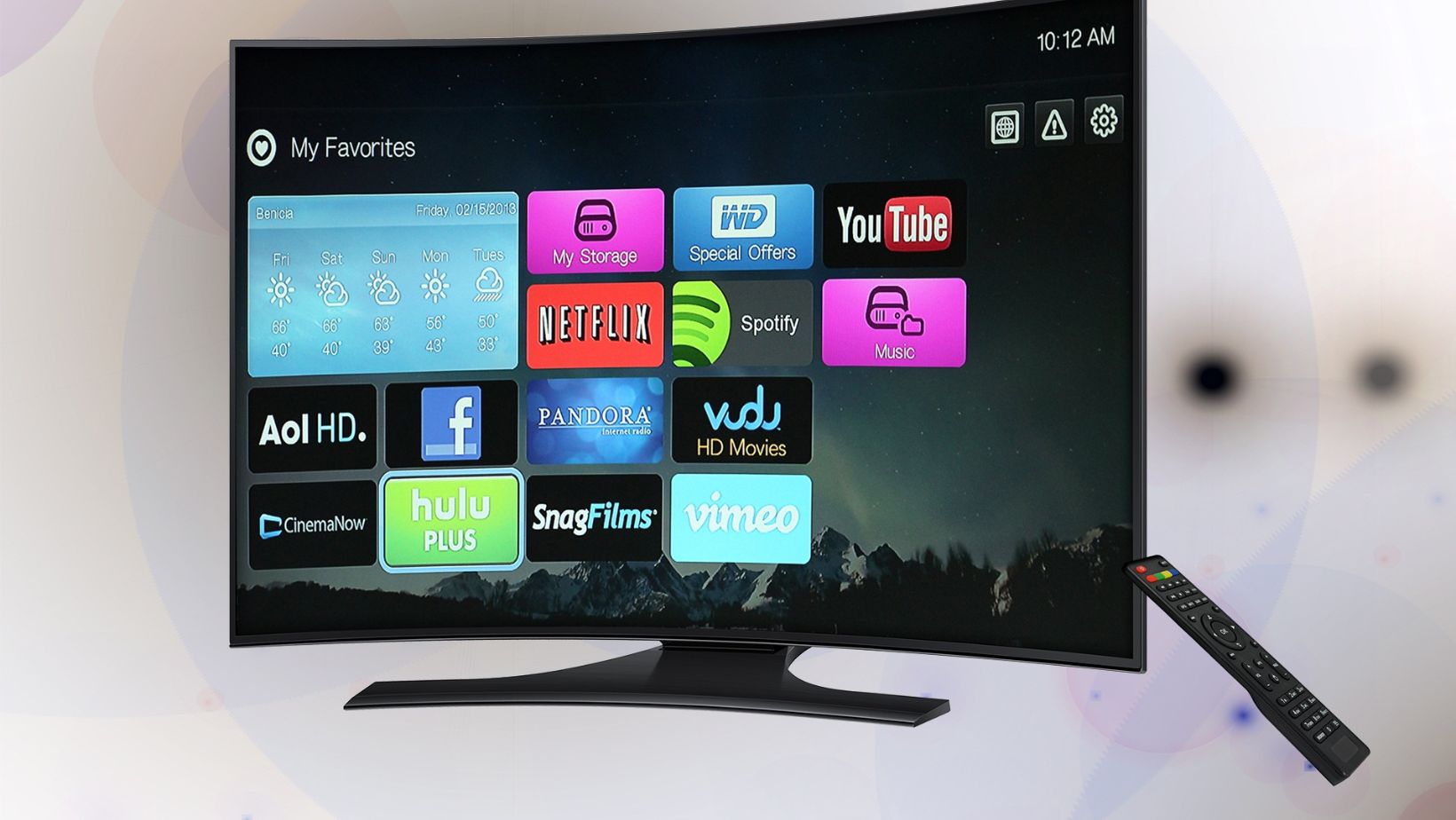
Smart TVs were among the first innovations to integrate IPTV and streaming capabilities directly into television sets, removing the need for external devices. Viewers could access YouTube, Netflix, and IPTV shqip TV app like TVALB from their remote controls. As broadband internet became faster and more widespread, this type of direct-to-screen viewing became standard.
The next wave came with mobile devices. Smartphones and tablets turned video consumption into an anytime, anywhere experience. People now watch news clips during commutes, sports highlights at work, or full-length shows in bed. According to a report by Statista, over 60% of global video content is now viewed on mobile devices, illustrating the extent of this shift.
This multi-device ecosystem has also changed household viewing dynamics. No longer tied to a single screen, different family members can simultaneously watch different shows in separate rooms, customizing the experience to their preferences.
Technological Advancements Enhancing IPTV
The evolution of IPTV is also closely tied to advancements in technology that enhance streaming quality and user experience:
AI-Powered adaptive streaming: Artificial intelligence is being leveraged to optimize video quality in real-time, adjusting to network conditions and user behavior to minimize buffering and improve picture quality.
- Ultra-low latency streaming: Innovations have reduced the delay between live events and their broadcast to under two seconds, making IPTV a viable option for live sports and news.
- 8K resolution: While 4K has become standard, 8K is emerging, offering unprecedented clarity and detail for viewers with compatible devices.
- Edge computing: By processing data closer to the user, edge computing reduces latency and improves streaming reliability, particularly important for high-demand content.
Accessibility and Cost Implications
Compared to traditional satellite or cable subscriptions, IPTV and streaming options tend to be more affordable and scalable. Users can select packages based on the number of devices, quality of stream (HD, 4K), or preferred genres. Entry-level plans can cost as little as $5–10 per month, making them accessible to a wider audience.
Additionally, many services offer free trials or ad-supported models, allowing users to sample the experience before committing. This model has proven effective in converting casual viewers into subscribers, especially when paired with exclusive content.
Future Outlook
Looking ahead, several trends are poised to shape the future of IPTV:
Integration of virtual and augmented reality: These technologies will offer immersive viewing experiences, particularly in gaming and live events.
Personalized content curation: Enhanced algorithms will provide more tailored recommendations, increasing viewer engagement.
- Blockchain for content licensing: Blockchain technology may streamline rights management and royalty distribution, benefiting content creators and distributors.
- Sustainability Initiatives: As streaming becomes more prevalent, providers will focus on reducing energy consumption and carbon footprints associated with data centers and content delivery networks.
Conclusion
The rise of IPTV has disrupted traditional broadcasting models. Viewers now favor on-demand content over scheduled programming, leading to a decline in traditional TV viewership.

This shift has prompted broadcasters to adapt by developing their own streaming platforms and exploring hybrid models that combine traditional and internet-based delivery. The democratization of content creation through IPTV also allows independent producers to reach global audiences without the need for traditional broadcasting infrastructure.
IPTV providers like TVALB have tapped into this shift by offering options that work across Smart TVs, Android and iOS apps, set-top boxes, and even web browsers. For niche audiences such as the Albanian diaspora, services like TVALB not only stream national channels but also include VOD libraries, live sports, and catch-up TV, helping families abroad maintain cultural ties.
Author