
How Mobile Pos Systems Are Changing The Way Retail Stores Operate
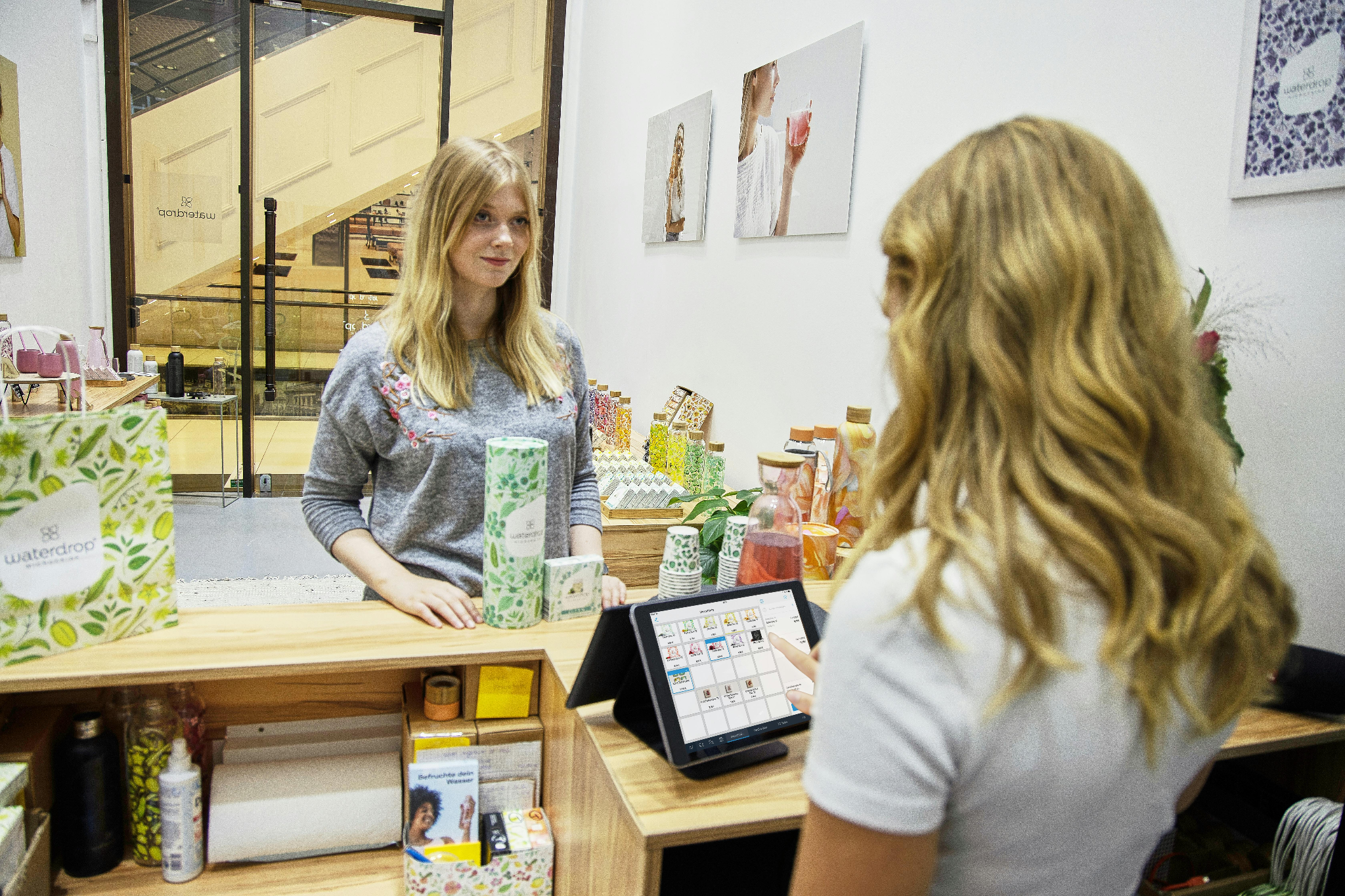
Retail stores used to revolve around one thing: The checkout counter. You’d walk the aisles, grab what you needed, stand in line and finally hand over your cash or card. But that’s changing quickly. Mobile POS systems let employees help shoppers, handle payments and manage inventory pretty much wherever they are.
Walk into a retail store today and there’s a good chance you’ll miss the old-school checkout line. Instead of cashiers behind big counters, you’ll probably see staff moving through the store with tablets or handhelds. Ask a question about sizing, what’s in stock or how much something costs, and you’ll get an instant answer. If you’re ready to buy, you don’t even have to walk to the front, payment happens right there. That’s really what mobile POS is all about.
At the heart of all this is the modern retail POS system, it does way more than just scan items or swipe cards. Now you’ll find payments, analytics, inventory, loyalty programs and customer profiles all bundled into one system. Point of sale isn’t just where you pay anymore; it’s become a real-time business hub.
The shift to mobile POS
For decades, checkout meant lining up and waiting. Stores were designed around fixed registers; employees stayed in their place and shoppers went to them. Now, the register goes to the customer.
A mobile POS setup is usually a tablet or handheld hooked up to the cloud. Employees can wander with these devices and ring up sales anywhere. That kind of flexibility changes everything.
Retail gets faster and more flexible
The real impact of a wireless checkout system happens behind the curtain. For ages, store employees have had to jump between clunky, disconnected systems. Checking inventory meant heading to the back. Price checks dragged on. Long lines put stress on busy staff. But give them a cloud-based POS system and suddenly key info is right in the palm of their hand. Here’s what staff can do now:
- They help customers anywhere.
- Check stock in real time.
- See customer history.
- Process returns instantly.
- Ring up sales without herding people to a register.
- Cut down on crowds during rush hour.
Business mobility tools make everything run smoother, especially when things get busy during the holidays or special sales. It’s also good for employee productivity. Less time running to terminals means more time actually talking to shoppers. It sounds simple, but in retail, those extra moments with customers count.
A tablet POS system is also a game changer for temporary spaces. Pop-up shops, sidewalk sales, special events or seasonal kiosks, no need for expensive hardware anymore. Retailers can process payments pretty much anywhere.
Customers feel the difference
Shoppers might not notice the tech behind the scenes, but they definitely notice the experience. Not much is more annoying than standing in line after you’ve already made up your mind on what to buy. Mobile POS solves that headache, staff can wrap up a sale wherever you’re standing.
Customer service technology is a serious edge these days, since shoppers are always comparing in-store convenience with the speed of online shopping. Retailers using smart POS systems make sales feel seamless instead of like an assembly line. You’re not being shuffled along; it all happens naturally as you shop. That matters, because convenience is a big deal in how people choose where to spend.
Why integration matters
Not all mobile POS systems are created equal. The real magic happens when systems connect. A simple card reader can take payments, but today’s retailers need much more. The top POS setups link up inventory management, CRM, reporting tools, loyalty programs and online sales, all in one system.
This is the real leap, an advanced point of sale system isn’t just a digital register, but an engine for the whole business. Take Rapid POS; they bring together POS software solutions and hardware for a mobile POS system, bringing together sales, inventory, customer tracking, eCommerce integration, custom programming and even business process design.
Retail checkout is becoming part of the customer experience
Retail checkout isn’t just a final step anymore, it’s actually becoming part of the whole shopping vibe. Stores are shifting toward retail technology trends that just flow, such as mobile checkout solutions, so you barely notice the checkout. Instead of seeing it as a last stop, retailers are weaving checkout right into the mix. Everything feels lighter; less stopping, less waiting and an easier move from checking out the products to paying for them.
Convenience is getting a lot of attention now. People expect to walk through the store without any hang-ups. They want to grab what they need, ask questions and pay whenever it fits, rather than following a rigid process. It makes the shop feel open and natural, as if everything unfolds in real time rather than in set stages.
The store counter isn’t going away just yet
Even though mobility keeps gaining ground, traditional cash wraps aren’t vanishing overnight. Lots of retailers still need fixed counters for big sales, service requests or tricky returns. Some folks like the old-school line, too.
The real change is balance. Instead of being the focus, the register is just another piece of the bigger system. Mobile tools let stores be flexible with how they handle staff, customers and space. That flexibility is what makes all this tech pay off.
A new era for retail stores
Retail stores are stepping into a new era, very different from the one most people grew up with. Mobile POS is changing how staff work, how shoppers buy and how day-to-day business gets done.
Stores that get ahead use smart retail systems, connected POS systems and shape their workflows around that flexibility. Whether it’s handhelds, tablets, or full-cloud solutions, mobility is just how modern retail works.
Author