
Advanced Methods to Remove Residue Without Chemicals
Residue buildup is a persistent challenge across industries and households alike. Whether it comes from grease, adhesives, carbon deposits, or environmental contaminants, removing residue efficiently without relying on chemical agents has become a priority. Concerns about environmental impact, worker safety, and long-term surface integrity have driven innovation toward non-chemical cleaning techniques that are both effective and sustainable.
This article explores advanced methods used to remove residue without chemicals, highlighting their principles, applications, and benefits.
The Growing Need for Chemical-Free Cleaning
Traditional cleaning methods often depend heavily on solvents, detergents, and other chemical compounds. While effective, these substances can introduce risks such as toxic exposure, environmental pollution, and surface degradation over time. Regulatory pressures and sustainability goals are pushing industries toward safer alternatives.
Non-chemical cleaning methods address these concerns by using physical forces—such as temperature, pressure, or mechanical action—to break down and remove contaminants. These approaches not only reduce environmental impact but also minimize downtime and disposal costs.
Thermal Cleaning Techniques
Heat-Based Residue Removal
Thermal methods rely on controlled heat to break down or loosen residues from surfaces. By applying high temperatures, contaminants such as grease, oil, or polymers can be softened, oxidized, or vaporized.
One widely used approach is infrared heating, which penetrates residue layers and heats them from within. This reduces adhesion and makes removal easier without damaging the underlying material. Another method involves convection ovens, where parts are exposed to elevated temperatures that decompose organic residues into ash, which can then be easily removed.
Advantages of Thermal Methods
Thermal cleaning is particularly effective for industrial components that can withstand high temperatures. It eliminates the need for solvents and reduces secondary waste. However, it requires careful control to avoid overheating or altering the structural properties of sensitive materials.
Mechanical Cleaning Approaches
Abrasive Blasting Techniques
Mechanical cleaning uses physical force to dislodge contaminants. Abrasive blasting is a common technique where particles are propelled at high velocity against a surface to remove residue.
Materials such as sand, glass beads, or walnut shells can be used depending on the level of aggressiveness required. Softer media are ideal for delicate surfaces, while harder abrasives can tackle stubborn deposits.
Precision Cleaning with Controlled Abrasion
Advanced systems allow precise control over pressure, particle size, and angle of application. This ensures effective cleaning while minimizing surface wear. In many industries, automated systems are used to achieve consistent results.
Mechanical methods are versatile and can handle a wide range of residues, but they may generate dust or require containment measures.
Cryogenic Cleaning Technologies
The Science Behind Cryogenic Cleaning
Cryogenic cleaning is an innovative technique that uses extremely low temperatures to remove residue. It works by applying frozen particles to a contaminated surface, causing thermal shock. The rapid cooling makes residues brittle, leading them to crack and detach.
A well-known example of this approach is dry ice blasting, which uses solid carbon dioxide pellets accelerated by compressed air. Upon impact, the pellets sublimate—transitioning directly from solid to gas—lifting contaminants without leaving secondary waste.
Benefits of Cryogenic Methods
Cryogenic cleaning offers several advantages. It is non-abrasive, making it suitable for sensitive equipment. It also avoids moisture, reducing the risk of corrosion or electrical damage. Additionally, because the cleaning medium evaporates, there is minimal cleanup required.
This method is particularly valuable in industries where precision and cleanliness are critical, such as electronics, food processing, and aerospace.
Laser Cleaning Technology
How Laser Cleaning Works
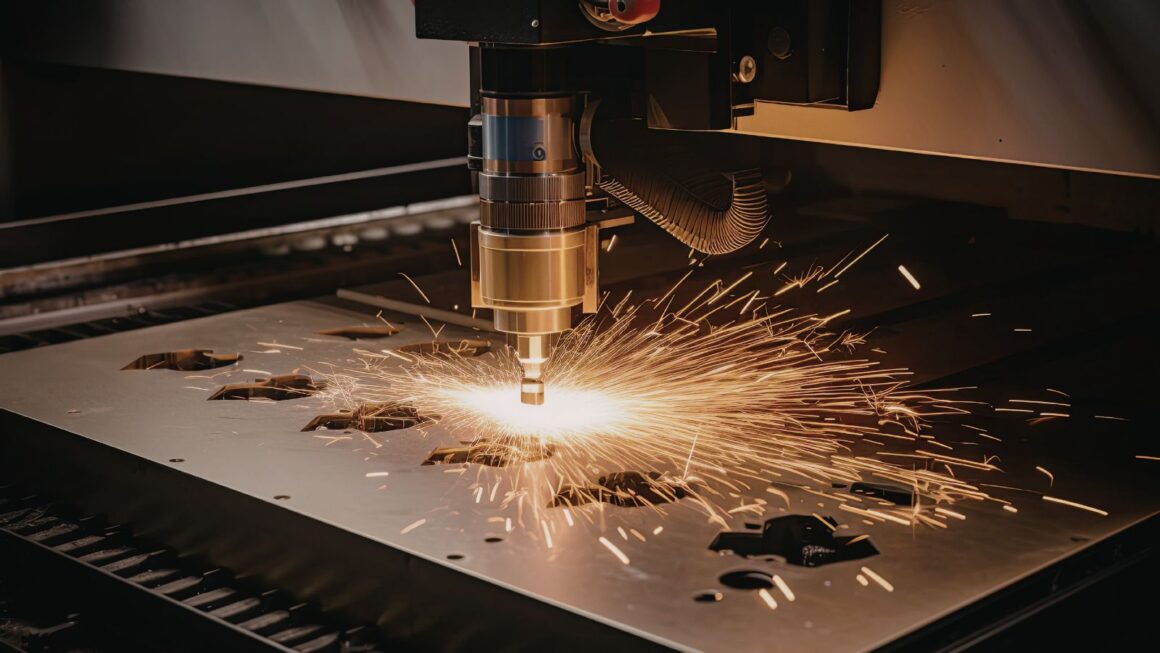
Laser cleaning is a cutting-edge method that uses focused light energy to remove contaminants. High-intensity laser pulses are directed at a surface, where they are absorbed by the residue layer. This causes rapid heating and vaporization of the unwanted material without affecting the substrate.
The process can be finely tuned by adjusting the wavelength, intensity, and duration of the laser pulses. This allows selective removal of specific types of residue while preserving delicate surfaces.
Applications and Advantages
Laser cleaning is widely used for removing rust, paint, and coatings from metal surfaces. It is also employed in restoration projects, where preserving the integrity of historical materials is essential.
One of its key advantages is precision. Unlike abrasive methods, it does not involve physical contact, reducing wear and tear. It also produces minimal waste and requires no additional cleaning agents.
However, the technology requires specialized equipment and trained operators, which may limit its accessibility in some settings.
Ultrasonic Cleaning Systems
Principles of Ultrasonic Cleaning
Ultrasonic cleaning uses high-frequency sound waves transmitted through a liquid medium—usually water—to create microscopic bubbles. These bubbles collapse rapidly in a process known as cavitation, generating tiny shockwaves that dislodge contaminants from surfaces.
Although a liquid is involved, the process does not rely on chemical additives. The mechanical action of cavitation is sufficient to remove dirt, grease, and residue from even the smallest crevices.
Effectiveness in Complex Geometries
Ultrasonic cleaning is particularly effective for objects with intricate shapes or hard-to-reach areas. It is commonly used for cleaning precision instruments, electronic components, and medical devices.
The method is gentle yet thorough, making it suitable for delicate materials. It also allows batch processing, improving efficiency in industrial applications.
High-Pressure Water Cleaning
The Power of Water Jets
High-pressure water cleaning uses concentrated streams of water to remove residue from surfaces. By adjusting pressure levels, operators can target everything from loose dirt to hardened deposits.
Advanced systems use ultra-high-pressure water jets capable of cutting through stubborn residues without the need for chemicals. These systems are often used in industrial maintenance and surface preparation.
Environmental and Practical Benefits
Water-based cleaning is environmentally friendly, especially when water is recycled within the system. It eliminates chemical exposure and reduces hazardous waste.
However, it requires proper management of wastewater and may not be suitable for moisture-sensitive environments.
Plasma Cleaning Techniques
What Is Plasma Cleaning?
Plasma cleaning involves the use of ionized gas to remove contaminants at a molecular level. When gas is energized, it forms plasma—a highly reactive state of matter that can break down organic residues into volatile compounds.
This method is often used in high-tech industries where surface purity is critical, such as semiconductor manufacturing and medical device production.
Key Advantages
Plasma cleaning is extremely precise and can remove ultra-thin layers of contamination. It does not involve physical abrasion or harmful chemicals, making it ideal for sensitive applications.
The process also improves surface adhesion properties, which is beneficial for coating or bonding processes.
Comparing Non-Chemical Cleaning Methods
Each non-chemical cleaning method has its strengths and limitations. Thermal techniques are effective for heavy residues but require heat-resistant materials. Mechanical methods are versatile but may cause wear. Cryogenic and laser technologies offer precision but may involve higher initial costs.
Ultrasonic and plasma cleaning excel in specialized applications, while high-pressure water systems provide a balance between effectiveness and environmental sustainability.
The choice of method depends on factors such as the type of residue, surface material, required precision, and operational constraints.
Sustainability and Future Trends
As industries continue to prioritize sustainability, non-chemical cleaning methods are expected to evolve further. Advances in automation, energy efficiency, and process control will make these technologies more accessible and cost-effective.
Research is also focusing on hybrid systems that combine multiple techniques to achieve optimal results. For example, integrating ultrasonic cleaning with thermal pre-treatment can enhance efficiency while reducing energy consumption.
The shift toward chemical-free cleaning aligns with global efforts to reduce environmental impact and improve workplace safety. By adopting these advanced methods, organizations can achieve high cleaning standards without compromising sustainability.
Closing Remarks
Removing residue without chemicals is no longer a niche concept—it is becoming the standard in many industries. From thermal and mechanical approaches to advanced technologies like laser and cryogenic cleaning, there are numerous effective alternatives available.
These methods not only deliver high performance but also address critical concerns related to health, safety, and environmental responsibility. As technology continues to advance, chemical-free cleaning will play an increasingly important role in modern maintenance and manufacturing practices.
Author