
Why Skipping Battery Load Testing Could Lead to Costly Power Interruptions

Power outages can have severe consequences, especially when they strike unexpectedly. In both personal and business environments, uninterrupted power supply (UPS) systems play a critical role in ensuring that sensitive equipment remains operational during grid outages. However, the performance of these backup systems relies heavily on the health of their batteries. One essential aspect of maintaining battery performance is battery load testing, a procedure often overlooked by many.
In this article, we explore why skipping it could lead to costly power interruptions, how to avoid these disruptions, and why regular checks are necessary for long-term reliability and performance.
What is Battery Load Testing?
Before diving into why battery load testing is essential, let’s first understand what it entails. Load testing involves applying a simulated load to a battery to determine how well it performs under stress. This test helps assess whether a battery can handle the demands placed on it and how long it can continue to function before losing capacity.
This process is performed using a load battery tester, which evaluates the battery’s condition by checking its voltage drop and comparing it to the expected threshold. By performing this test, you can pinpoint weaknesses in a UPS battery before they cause issues during an actual power failure.
Why Skipping Battery Load Testing is Risky
Skipping battery load testing can lead to unforeseen issues that can have serious repercussions, both in personal and business settings. Below are a few of the risks:
1. Unnoticed Battery Degradation
Batteries naturally degrade over time. As the battery ages, its capacity to hold a charge diminishes, which can lead to unreliable performance when backup power is most required. Without performing battery load tests, these subtle changes may go unnoticed, and you could be left without backup power during a blackout.
This is especially problematic in high-stakes environments like data centers, hospitals, or any business that relies on constant uptime. An unexpected power failure without the necessary backup can result in lost data, damaged equipment, or costly downtime.
2. Higher Replacement Costs
UPS systems are designed to protect your valuable equipment, but batteries are not meant to last forever. As batteries age, they often need to be replaced. By not performing regular battery load tests, you could delay the discovery of battery issues until it’s too late, forcing you to replace the entire system or incur emergency service costs.
Instead of dealing with the shock of sudden failure and expensive repairs, routine testing allows for early intervention. This way, batteries that are close to the end of their life can be replaced before causing issues. Additionally, some UPS units allow for the replacement of individual batteries, saving costs in comparison to a full system replacement.
3. Decreased System Efficiency
If your UPS system is operating with underperforming batteries, it may need to work harder to supply power during outages. This can cause overheating, unnecessary wear on other components, and a general decrease in system efficiency. Over time, this stress can shorten the lifespan of the entire UPS system, requiring repairs or replacements more frequently than necessary.
Performing regular battery load tests ensures that all components are functioning at peak efficiency. With well-maintained batteries, the UPS system can do its job without wasting energy or putting additional strain on other components.
The Benefits of Battery Load Testing
When done consistently, battery load testing provides a range of benefits that help maintain the reliability and efficiency of your UPS system. Here are a few advantages of regular testing:
1. Enhanced Reliability During Outages
By routinely performing battery load tests, you can be confident that your UPS system will work effectively during power outages. Regular testing ensures that batteries are able to handle the load when required and that your equipment will remain powered on in an emergency. No more worries about an unreliable UPS when the lights go out.
2. Proactive Maintenance
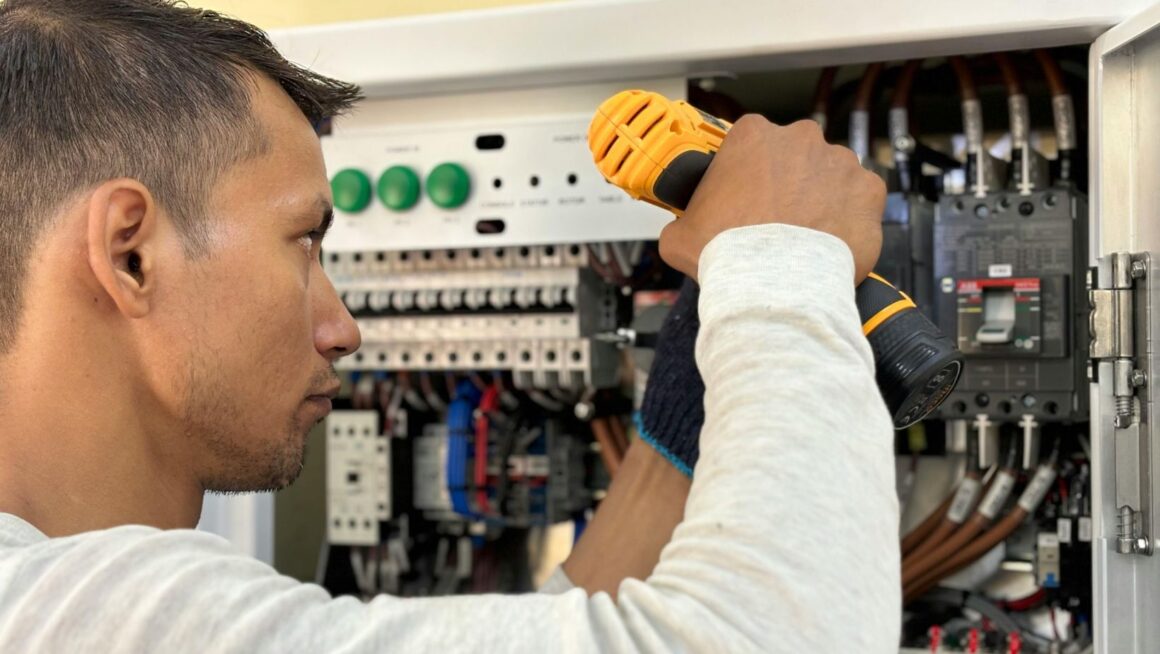
Rather than waiting for a battery failure to occur, battery load testing offers a proactive approach to maintenance. With routine checks, you can identify any potential weaknesses early on, allowing you to replace failing batteries before they cause an issue. This approach significantly reduces the likelihood of unexpected interruptions, which could otherwise result in data loss or damage to critical equipment.
3. Optimized Battery Lifespan
One of the key advantages of battery load testing is that it helps extend the lifespan of your UPS batteries. By ensuring the batteries are not overstrained and are functioning at optimal levels, you prevent premature degradation. Testing regularly allows for adjustments to the charging cycles, which can further enhance battery longevity.
When load battery testers detect any issues, timely intervention can prevent excessive wear. This ultimately ensures that your batteries remain effective for as long as possible, reducing the frequency of costly replacements.
How to Perform Battery Load Testing
Now that we’ve discussed the importance of battery load testing, let’s go over how you can perform the test effectively. While most UPS systems come with built-in diagnostic tools, using a load battery tester offers a more detailed and precise assessment.
1. Gather Your Tools
Before you begin, ensure you have a load battery tester that is compatible with your UPS system. Many testers come with multiple settings for different battery types and load requirements. Make sure you also have a multimeter on hand to check the voltage and other parameters.
2. Disconnect the UPS from Any Load
To perform a proper test, turn off the UPS and disconnect any attached equipment. This is crucial to ensure that the test does not interfere with your devices and also helps maintain their safety during the test.
3. Attach the Tester
Connect the load battery tester to the battery terminals of your UPS. This will allow the tester to simulate a load on the battery, measuring how the battery holds up under pressure. Ensure that all connections are secure to prevent inaccurate readings.
4. Run the Test
Activate the load battery tester and follow the instructions provided. The tester will simulate a typical load and measure the battery’s performance. Some testers will provide an instant pass/fail result, while others offer a detailed analysis of the battery’s voltage, capacity, and internal resistance.
5. Analyze the Results
Once the test is complete, review the results carefully. If the battery is in good health, it will pass the test and be ready for use. However, if the battery fails or shows signs of degradation (such as a significant voltage drop), it’s time to replace it.
Best Practices for Battery Load Testing
To maximize the benefits of battery load testing, consider these best practices:
- Test Every 3-6 Months: Depending on the age and usage of your UPS, testing every 3 to 6 months is generally recommended. More frequent testing may be necessary if your system is older or experiences frequent power fluctuations.
- Keep Records of Tests: Maintain a log of all your battery load test results. This will help you track the health of your batteries over time and make informed decisions about replacements.
- Monitor Environmental Factors: Keep your UPS and its batteries in a cool, dry place. Extreme temperatures can significantly impact battery performance. Regularly check for signs of overheating or damage.
Conclusion
Skipping battery load testing might seem like an easy way to save time, but the risks it poses are significant. Unnoticed battery degradation, higher replacement costs, and decreased system efficiency are all possible outcomes of neglecting this critical maintenance step. By incorporating regular load testing into your UPS maintenance routine, you can ensure that your system remains reliable, efficient, and ready for action during power interruptions.
In the long run, routine testing can help you avoid costly repairs, extend the lifespan of your UPS system, and most importantly, prevent those dreaded power failures that could jeopardize your equipment and data. Don’t wait for the lights to go out—take action today to keep your UPS system in top condition.
Author