
Church LED Screen Layout Ideas for Modern Sanctuaries
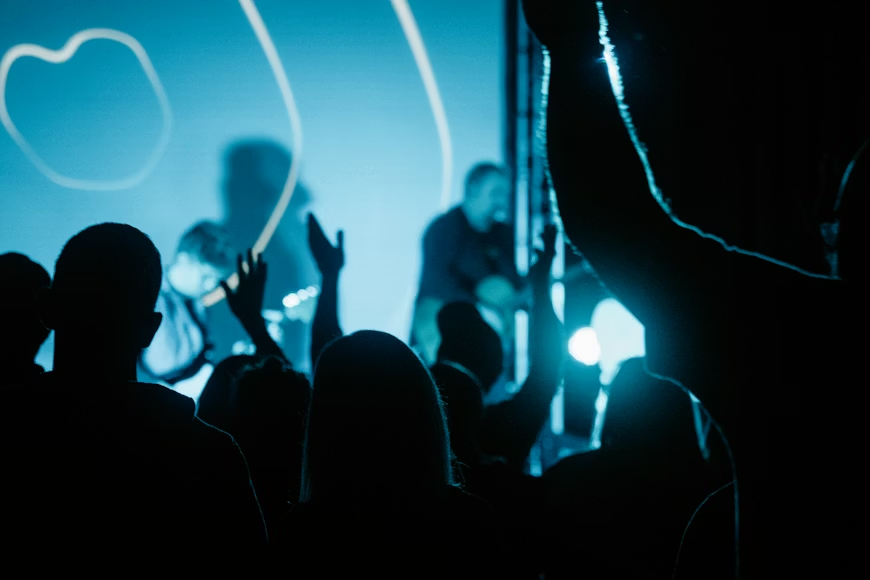
Choosing the right layout for a church led screen can completely transform the worship experience inside a modern sanctuary. Today’s churches are rethinking how they use visual technology, not just to display lyrics or scripture, but to create an environment that feels welcoming, immersive, and easy to follow for every attendee.
The layout of a screen plays a critical role in visibility, engagement, and overall aesthetics. It affects how the congregation connects with the message, how clearly content is seen from different seating areas, and how seamlessly the technology integrates with architectural design.
Center Stage LED Wall Layout
One of the most popular configurations in modern worship spaces is a large center-stage LED wall positioned behind the pulpit or worship band.
Full-Width Backdrop Design
A wide LED wall spanning the entire back of the stage creates a clean and contemporary look. This layout allows churches to display sermon visuals, worship lyrics, scripture passages, and background graphics without distraction.
Because LED panels are modular, the wall can be built to fit the exact width and height of the stage. This flexibility ensures balanced proportions and prevents awkward gaps or unused space. The result is a cohesive backdrop that enhances rather than overwhelms the sanctuary.
Visual Depth and Atmosphere
A central LED wall can also be used to create depth. Subtle motion backgrounds, scenic imagery, or soft color gradients help set the tone during worship without pulling attention away from the speaker. This type of layout works especially well in churches that want to modernize their space while keeping the focus on ministry.
Dual Side Screen Layout
For larger sanctuaries, dual side screens positioned on the left and right of the stage are a practical solution.
Improved Visibility for Wide Seating Areas
In wide rooms where attendees are seated far to the sides, a single central display may not provide ideal viewing angles. Installing two screens ensures that everyone can clearly read lyrics and follow sermon notes, regardless of where they sit.
This layout distributes visual information evenly across the space. It’s particularly useful in auditoriums with balcony seating or extended side sections.
Balanced Aesthetic Integration
Side-mounted LED displays can be framed within architectural elements, such as columns or decorative panels, allowing them to blend naturally into the design of the sanctuary. When thoughtfully integrated, they support the worship experience without dominating the room visually.
Corner Wrap Layout for Immersive Spaces
Some modern churches are experimenting with corner wrap layouts, where LED panels extend across two connected walls.
Creating an Immersive Environment
This approach adds dimension and immersion. Instead of a flat backdrop, the screen wraps around the stage corner, surrounding the congregation with visual content. Scenic backgrounds, animated graphics, or thematic imagery can fill the space with atmosphere.
This layout works especially well in contemporary worship spaces that incorporate creative lighting and dynamic stage design.
Maximizing Smaller Stages
For churches with limited stage depth, a corner wrap can create the illusion of a larger environment. By extending visuals onto adjacent walls, the space feels more expansive and engaging.
Vertical LED Screen Layout
Not every sanctuary is designed horizontally. Some churches feature high ceilings and narrower stages, making vertical screen configurations more appropriate.
Tall Screen Design for Scripture and Lyrics
A vertically oriented LED display can emphasize text-heavy content such as scripture passages, sermon outlines, or announcements. This layout makes use of vertical space while maintaining readability from the back rows.
It also complements sanctuaries with architectural height, drawing the eye upward and enhancing the sense of openness.
Modern Minimalist Aesthetic
Vertical screens often provide a sleek, contemporary appearance. They can be positioned centrally or slightly offset, depending on stage layout and worship style. This configuration suits churches aiming for a clean and uncluttered stage design.
Multi-Screen Layout for Dynamic Content
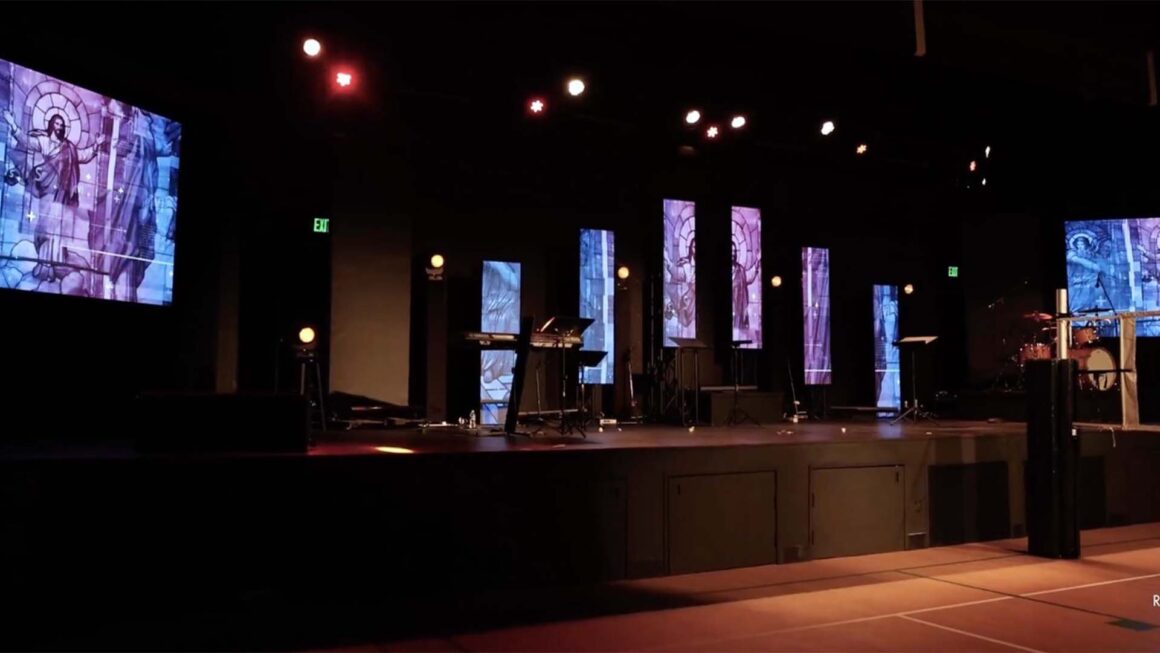
Another increasingly popular option is a multi-screen layout, where several smaller LED panels are arranged in a coordinated pattern.
Layered Visual Presentation
Instead of one continuous wall, multiple screens can display synchronized content. For example, the center screen may show the speaker, while side panels present complementary graphics or key sermon points.
This layered design adds visual interest and supports more dynamic presentations, especially during conferences or special events.
Flexible Content Management
Multi-screen setups allow for creative flexibility. Content can shift between panels depending on the moment in the service. Worship lyrics might occupy all screens during music, while sermon notes appear only on selected panels during preaching.
Considerations for Optimal Placement
While layout creativity is important, practical considerations should guide every installation decision.
Viewing Distance and Pixel Pitch
The distance between the screen and the congregation determines how fine the resolution needs to be. Closer viewing requires tighter pixel spacing to ensure text and images remain sharp.
Understanding this relationship helps churches avoid overinvesting in specifications that exceed their actual needs while still ensuring excellent image clarity.
Mounting Height and Sightlines
Screens should be positioned high enough to remain visible over the heads of seated attendees but not so high that they strain viewers’ necks. Careful planning ensures that every seat in the sanctuary has a clear line of sight.
Testing different mounting heights during the planning phase can prevent visibility issues after installation.
Lighting Conditions
Sanctuary lighting influences screen placement. Even though LED displays provide strong brightness, avoiding direct spotlight glare or reflections improves overall visual comfort.
Strategic placement relative to stage lighting enhances both image quality and worship ambiance.
Designing the ideal layout for a church led screen involves balancing creativity, architecture, and congregation needs. By evaluating seating arrangements, stage dimensions, and worship style, churches can select a configuration that strengthens communication, improves engagement, and supports a meaningful worship atmosphere without compromising visual harmony.
Author