The Psychology Behind “Near Misses” in Slot Games
Games designers employ a variety of tricks in order to keep players engrossed in their creations. This goes especially in the world of slot machines, where every moment of engagement is an opportunity for profit.
Obviously, the easiest way to keep a player coming back for more is to pay out. But this isn’t always the most effective strategy, in the long term. Ingeniously, designers can create the same psychological effect as a win, without having to actually cough up any money.
The ‘near miss’ is a relatively common occurrence in Megaways slots games, as well as in more traditional takes on the format. But exactly what is a near miss, and why is it so effective?
What Is a Near Miss and Why It Matters
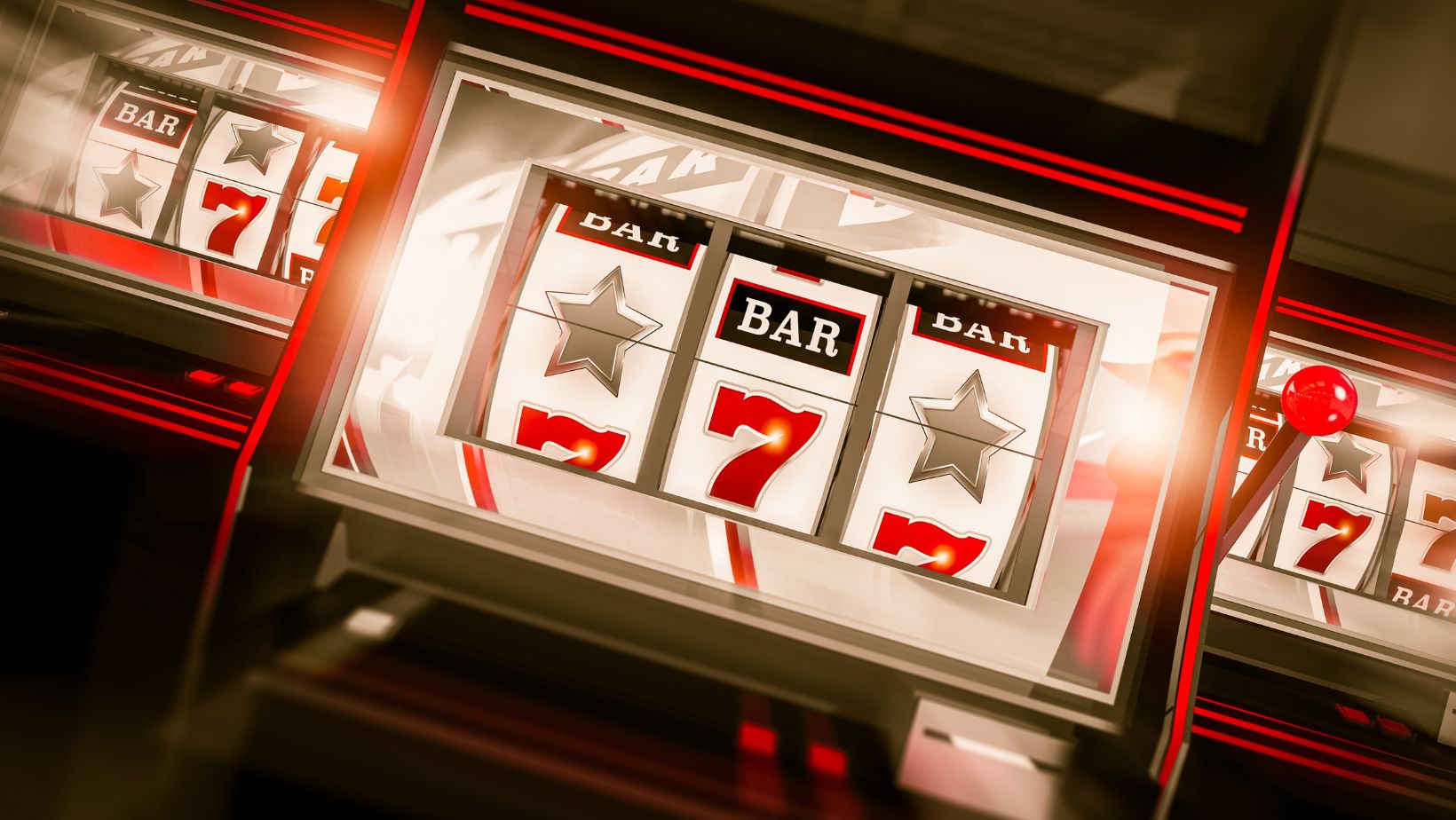
A near miss, as the name would suggest, is an outcome that’s very close to a win. Sometimes, these are natural consequences of the gameplay itself. In other cases, they are artificially made more frequent than they otherwise might be.
The Role of Game Design in Amplifying Near Misses
The event is often highlighted by a specific sound or animation, which makes it more psychologically potent. The job of the designer is to make it clear that the event has occurred, while nevertheless making it obviously distinct from a win.
How Near Misses Influence Player Behaviour
So, why might games designers seek to draw our attention to near-misses? Put simply, these events trigger many of the same psychological mechanisms that an actual win would. Our brains receive the message that a win is possible, and within reach. We also often feel a sense that we need to compensate for a failure by getting an actual win.
Whatever the psychological effects of the near miss, the effect on player behaviour is clear and borne out by studies on gamblers. We are more motivated to gamble, we play faster, and we bet more in the aftermath of a near miss.
Ethical Considerations and Player Protection
Here we run into an ethical difficulty. If players can be easily persuaded to gamble more, don’t designers have a duty to do this in a responsible way? What’s more, if designers draw attention to a ‘near miss’, or increase its likelihood, aren’t they being dishonest – even if the odds of an actual win remain clear and transparent?
The answers to these questions might not be as clear as we think. After all, part of the thrill of casino gambling is the sensation that comes with missing out. What matters is that players are aware of the risks – and that they set clear limits on their own spending, ahead of time. A good online casino will provide the tools required to do just that.
Author